Tiny Raises, Quiet Cutting, and Other 2026 Work Trends to Watch
You’ve noticed the office feels a little emptier lately, yet no company-wide layoff announcements ever dropped. Instead, your daily workload is mysteriously expanding while your bank balance remains frustratingly stagnant.
According to current job market predictions, the leverage workers held during 2021's Great Resignation has completely vanished. Employers are now quietly optimizing budgets through "Quiet Cutting”—making a role so miserable that the employee voluntarily quits, saving on severance—and distributing "Tiny Raises" that act as slow-motion pay cuts against inflation.
Navigating these future work trends means abandoning the old playbook of simply working harder. To survive these 2026 work trends, professionals must embrace "Career Cushioning," proactively building safety nets and backup plans long before an employer forces their hand.
The Reality of 'Tiny Raises': Why 2% Is the New Zero and How to Fight for More
You finally sit down for your annual review, only to be handed a 2% bump. In a world where basic expenses still climb by 4%, these "Tiny Raises" are essentially slow-motion pay cuts. This is personal purchasing power parity in action: if your paycheck grows slower than your bills, you are actively losing money.
Spotting a frozen pay structure early is crucial for navigating the cost of living adjustment gap. When managers claim their hands are tied by corporate budgets regardless of your stellar output, the future of performance-based pay models at your company is effectively dead.
If the cash budget won't budge, you must pivot to non-monetary leverage. You can offset a stagnant salary by aggressively negotiating for these high-value alternatives:
-
4-day workweeks
-
Professional development stipends
-
Equity/phantom stock
-
Remote flexibility guarantees
Sometimes, however, a denied raise isn't just about tight budgets—it’s a deliberate strategy to make your daily routine miserable enough that you quit, serving as a stealth layoff tactic.
How to Spot 'Quiet Cutting' Before It Spots You: Recognizing Stealth Layoffs and Internal Reassignments

You might notice your calendar suddenly clearing up, but it isn't a reward for efficiency. This represents "Quiet Cutting”—a strategy where employers avoid severance payouts by making your daily routine so frustrating or irrelevant that you choose to quit voluntarily.
Distinguishing legitimate operational shifts from targeted forced exits is a vital survival skill. While normal business adjustments might temporarily change your daily focus, the legal and ethical gray area of Quiet Cutting vs constructive dismissal crosses into hostile territory by fundamentally degrading your working conditions. Furthermore, these silent attrition tactics breed severe paranoia, highlighting the deep impact of stealth layoffs on workplace culture as peers watch their colleagues get slowly sidelined.
Be highly alert for these specific signs of company restructuring through attrition:
-
Removal from key projects.
-
Reassignment to 'dead-end' tasks.
-
Sudden hyper-scrutiny of minor errors.
Document every shift to protect your professional reputation when you are handed obvious busy work. Once you realize your current position is intentionally shrinking, it is time to pivot your career strategy toward skills-based hiring and fractional work.
Beyond the Job Title: Thriving in the Era of Skills-Based Hiring and Fractional Work
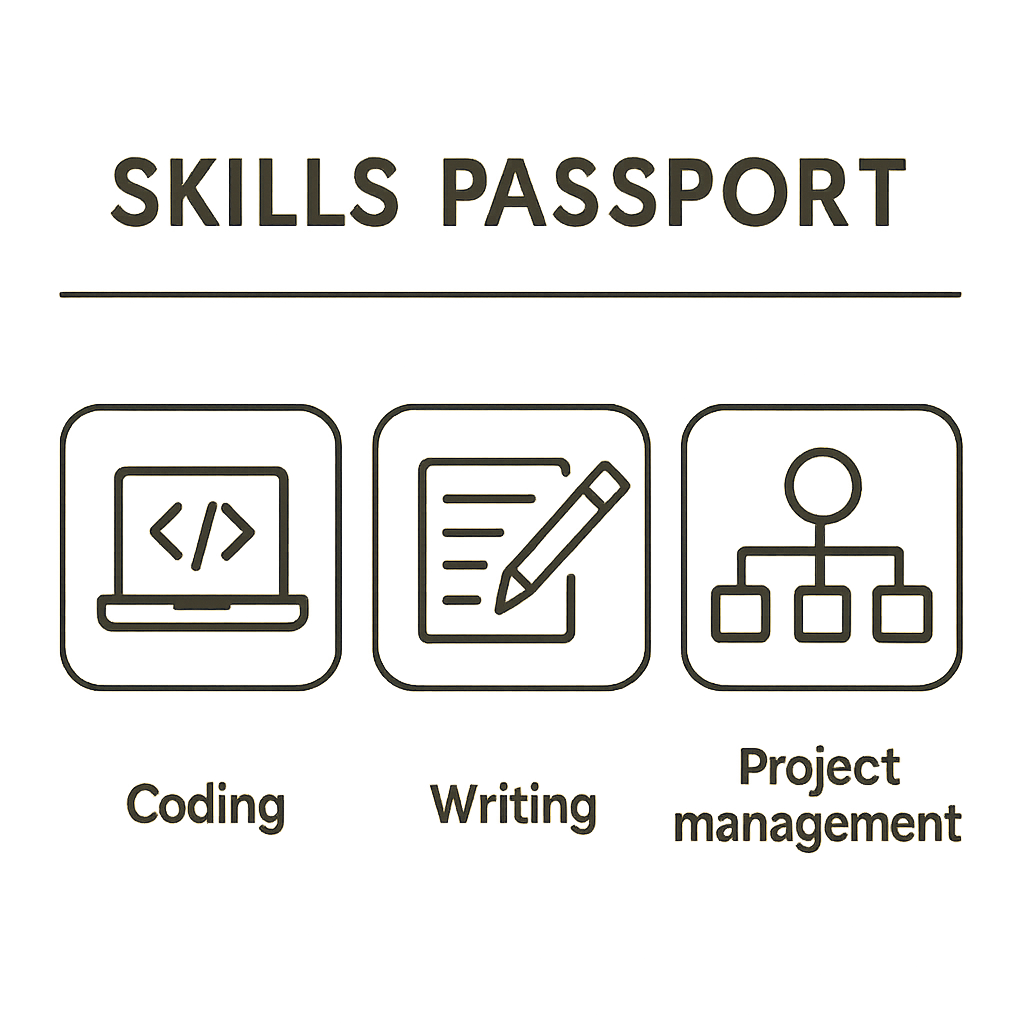
Relying on a single corporate title used to mean stability, but 2026 has flipped that script. We are seeing a massive shift toward skills-based hiring over titles, where your ability to solve specific problems matters far more than your last official job description.
Businesses are driving this change to cut full-time overhead, fueling the rise of fractional employment and portfolio careers. Instead of hiring one expensive executive, companies are opting for part-time, "fractional" experts to handle mid-level management without the long-term commitment of a traditional salary.
Protecting your paycheck requires adapting to this new reality through proactive career cushioning. Building a fractional income stream alongside your main job—essentially renting out your best skills a few hours a week—creates a financial safety net when corporate budgets inevitably tighten.
While you break your daily work down into individual abilities to market yourself, your employer is doing the exact same thing to measure your efficiency through workplace monitoring and AI task-shifting.
Surviving the Digital Watchdog: Managing Workplace Monitoring and AI Task-Shifting
You’ve likely noticed an uptick in software tracking your active Slack hours, a frustrating remote work impact that treats professionals like machines. This constant oversight creates "Surveillance Stress," as modern digital workplace trends focus on breaking your day down into measurable units. Employers aren't just hunting for slackers; they are mapping out exactly which of your daily tasks are high-risk for AI automation.
Instead of robots stealing entire roles overnight, the market is shifting toward "AI Task-Absorption”—where software quietly eats repetitive chores like drafting emails or sorting data. To protect your paycheck, you must pivot from being a basic "Task-Doer" to an "AI-Orchestrator": someone who strategically directs, edits, and manages these systems.
Protect your mental health by maintaining visibility under monitoring through frequent asynchronous updates, proactive impact reports, and mastering AI-human collaborative workflows. Taking control of how your work is perceived is the foundation of a future-proof career.
Your 2026 Resilience Plan: 3 Steps to Future-Proof Your Career Today
You no longer have to view shifting workplace dynamics as a threat. By understanding the evolution of the employee value proposition, you can stop stressing over unwritten corporate rules and finally take back control. Knowing how to manage salary stagnation in 2026 isn't about working harder for less; it’s about strategically redirecting your energy.
Instead of fearing quiet cuts, proactively build your safety net using this proven resilience checklist:
-
Update your skills-based CV to highlight problems solved rather than titles held.
-
Establish 3 external professional connections this month.
-
Document every 'over-and-above' task for your next review or future interviews.
Shift your mindset from blind loyalty to active marketability by starting a 90-day skill-up cycle to continually refresh your worth. Understanding these workplace shifts allows you to navigate them strategically. Begin by updating your skills-based CV today to build a stronger professional safety net.
Always Be Exploring: Why an Always-On Job Search Matters in 2026
One of the most practical responses to tiny raises and quiet cutting is simple: keep looking. In today’s market, there is no such thing as job security—only skills, relationships, and options you can act on quickly.
You don’t need to panic-apply every day. The goal is to stay market-ready so you’re never starting from zero when priorities shift, budgets tighten, or your role gets quietly reshaped.
-
Set a lightweight weekly habit: review a few roles, send 1–3 targeted applications, and have one networking conversation.
-
Keep your materials current: update your CV and LinkedIn as you complete projects, not only when you’re job hunting.
-
Track signals, not feelings: save job descriptions you like, note recurring skills, and use that list to guide what you learn next.
To make this easier, use JobNab to get company career page alerts—so you’re notified when a company posts roles directly on its own careers site. That helps you spot new openings early, even when they don’t immediately show up on large job boards.