How to quickly spot new job openings and apply first
Securing a highly desirable role is like buying tickets for a sold-out concert. According to industry data, companies actively recruit on a "rolling basis," meaning interviews start the moment strong resumes arrive. In practice, capturing this first-mover advantage in recruitment within the critical 48-hour window proves exactly why applying early to a new job posting matters far more than delaying an application just to endlessly polish it.
The catch is simple: you can only apply early if you actually see the posting early. That’s why it helps to track roles directly on company career pages (not just job boards), where openings often appear first.
The 'Recruiter Fatigue' Factor: Why Waiting Until Sunday is a $5,000 Mistake
Imagine a recruiter’s inbox as a physical desk stacked with paper resumes. When a posting goes live, energy is high. However, as the job seeker competition volume swells, that enthusiasm vanishes. This mental exhaustion is "Recruiter Fatigue." By the fiftieth application, the recruiter screening window practically closes because human beings simply get tired of reading.
Finding a great role on Friday but waiting until Sunday to apply is often a costly mistake. Submitting early grants you "The Standard Candidate Bias." When your resume is read first, you become the benchmark every latecomer is measured against. Because employer hiring timeline urgency pushes companies to interview on a rolling basis, an early arrival also demonstrates strong initiative.
Why keep searching if three perfect people applied on day one? Most hiring managers stop looking. While human exhaustion heavily dictates who gets an interview, the applicant tracking software managing these files creates its own timing hurdles.
Beat the Bot: How ATS Sorting Rewards Your Speed
Treating job deadlines like school assignments is a trap since those dates are merely placeholders. In reality, the impact of application timing on hiring is massive. Instead of ranking purely by a matching score, recruiters view a dashboard resembling a standard email inbox, often only reading the fresh candidates sitting immediately "above the fold" on their screens. Here is how ATS sorting affects your visibility:
-
Default chronological sorting
-
Time-stamping
-
Recruiter dashboard 'unopened' notifications
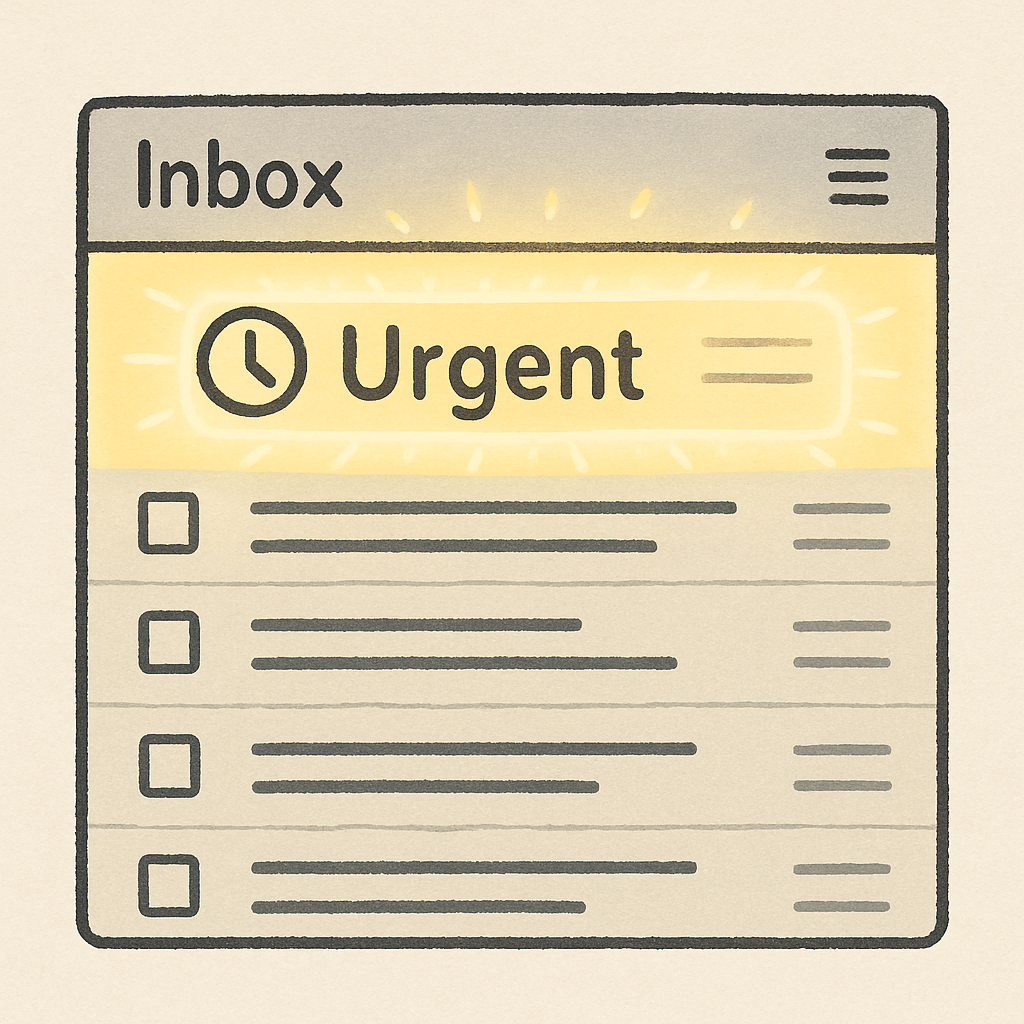
To capture the benefits of early job submission, aim to apply within the first 12 hours of a listing going live. Because the applicant tracking system sorting order defaults to newest-first, securing a top-of-inbox slot ensures your resume is evaluated before the recruiter's attention fades, requiring a reliable way to be first in line.
The First-Mover Advantage: Your Action Plan to Apply Faster
You no longer have to toss applications into the digital void. A 90% perfect resume sent today beats a 100% perfect resume sent next week. Start by setting up instant job alerts on platforms like LinkedIn. This simple shift toward optimizing job search speed puts you at the front of the recruiter's line, giving you immediate control and dramatically increasing interview callback rates.
Use Jobnab.ai to spot new openings on company career pages
Job boards are useful, but they’re not always the fastest source. If you’re serious about being early, you want to know the moment a company posts a role on its own careers page. That’s exactly what Jobnab.ai helps with.
Instead of you manually checking 10–30 career pages every day, Jobnab.ai tracks the career pages for you and alerts you when something new shows up—so you can click in and apply while the posting is still fresh.
Quick setup idea: pick your top companies, add them to Jobnab.ai, and keep your resume + a short, customizable cover note ready to go. When the alert hits, you’re in “apply first” mode within minutes.
Bottom line: applying early matters because attention and interview slots get used up fast—and tools like Jobnab.ai make it much easier to consistently be early without doing the busywork.